Content Menu
How Often Should I Get Car Detailing Services?
● What Is Car Detailing?
● Factors Affecting Detailing Frequency
>> 1. Driving Habits
>> 2. Environmental Conditions
>> 3. Personal Preference
● Benefits of Regular Detailing
>> 1. Enhances Aesthetic Appeal
>> 2. Protects the Paintwork
>> 3. Improves Resale Value
>> 4. Increases Longevity
>> 5. Improves Comfort and Hygiene
● Different Types of Detailing Services
>> 1. Basic Exterior and Interior Cleaning
>> 2. Full Detailing
>> 3. Ceramic Coating or Paint Protection Film (PPF)
>> 4. Seasonal Detailing
● How to Determine the Right Detailing Frequency for You
>> Step 1: Assess Your Environment
>> Step 2: Evaluate Your Usage
>> Step 3: Decide Your Maintenance Goals
>> Step 4: Consult a Professional
● Tips for Maintaining Your Car Between Detailing Sessions
>> 1. Use Quality Car Wash Products
>> 2. Vacuum Regularly
>> 3. Apply a Quick Detailer Spray
>> 4. Protect Your Interior
● Conclusion
● FAQs:
>> 1. How do I know it’s time to detail my car?
>> 2. Can I detail my car at home?
>> 3. Is ceramic coating worth it?
>> 4. What’s the difference between waxing and ceramic coating?
>> 5. How much does detailing cost?
How Often Should I Get Car Detailing Services?
Maintaining your car is essential not only for its appearance but also for its longevity and resale value. Among the many aspects of car care, detailing stands out as a comprehensive service that goes beyond a simple wash. But how often should you detail your car to keep it in peak condition? The answer depends on several factors, such as your driving habits, the environment, and the car’s exposure to elements.In this article, we’ll dive deep into the factors influencing the frequency of car detailing, explain the benefits, and guide you through different types of detailing services. Whether you’re a car enthusiast or someone just looking to maintain their vehicle, this comprehensive guide has you covered.
What Is Car Detailing?
Car detailing is a meticulous cleaning and restoration process for a vehicle, aimed at making it look as good as new—or even better. Unlike a standard car wash, detailing focuses on both the exterior and interior of the vehicle, often using specialized tools and products to remove dirt, scratches, and imperfections. Detailing typically includes: 1. Exterior Detailing: Washing, waxing, polishing, and sometimes paint correction to restore the vehicle's shine and protect its surface. 2. Interior Detailing: Deep cleaning of seats, carpets, dashboards, and air vents, often involving steam cleaning or vacuuming. 3. Engine Bay Cleaning: Removing dirt and grime from the engine compartment.
Factors Affecting Detailing Frequency
How often you need to detail your car depends on several variables:
1. Driving Habits
Daily Commuting: Cars driven daily are exposed to dust, dirt, and pollutants. These vehicles benefit from professional detailing every 2–3 months. Occasional Use: If your car spends most of its time in the garage, you can stretch the detailing schedule to 6 months or more.
2. Environmental Conditions
Urban Areas: Cars in cities face pollution, road grime, and construction dust, requiring frequent detailing. Rural Areas: Mud, gravel, and tree sap can accumulate on vehicles in the countryside, demanding regular attention. Extreme Weather: Vehicles exposed to harsh sun, snow, or salty roads require protective coatings and more frequent cleaning.
3. Personal Preference
Some car owners enjoy a spotless and shiny car at all times. For such individuals, detailing every month or so might be worth it. Others may prioritize functionality over aesthetics and choose less frequent detailing.
Benefits of Regular Detailing
Regular detailing offers numerous advantages:
1. Enhances Aesthetic Appeal
Detailing restores your car's original shine, removes swirl marks, and ensures the paintwork is flawless.
2. Protects the Paintwork
Using wax, ceramic coatings, or sealants during detailing shields the paint from UV rays, bird droppings, and contaminants.
3. Improves Resale Value
A well-maintained car fetches a higher resale price. Detailing keeps the interior and exterior in top condition, impressing potential buyers.
4. Increases Longevity
Cleaning and protecting components like the engine, tires, and upholstery reduces wear and tear, prolonging the life of your vehicle.
5. Improves Comfort and Hygiene
Interior detailing eliminates bacteria, allergens, and unpleasant odors, creating a healthier and more comfortable environment.
Different Types of Detailing Services
Detailing services can be tailored to your needs. Here are the most common options:
1. Basic Exterior and Interior Cleaning
Ideal for monthly or bi-monthly maintenance, this service includes vacuuming, wiping down surfaces, and washing the exterior.
2. Full Detailing
Recommended every 3–6 months, this service includes waxing, polishing, and deep cleaning of the interior and engine bay.
3. Ceramic Coating or Paint Protection Film (PPF)
This long-term protective measure guards the paint from scratches, dirt, and UV damage. Ceramic coatings last years but require periodic maintenance.
4. Seasonal Detailing
Prepare your car for winter or summer with services like salt removal, undercarriage cleaning, or paint sealants. 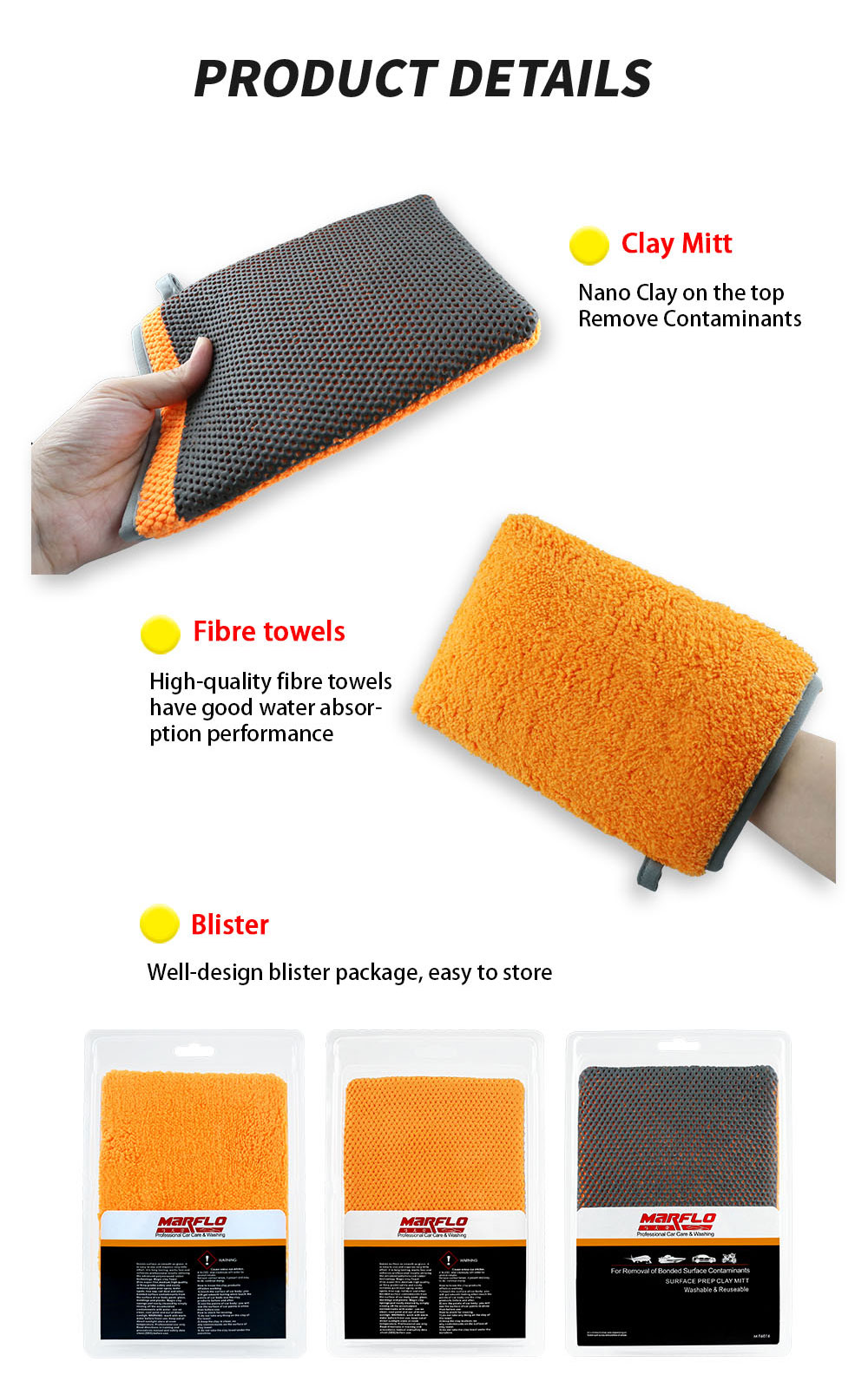
How to Determine the Right Detailing Frequency for You
Follow these steps to set a detailing schedule that works for your vehicle:
Step 1: Assess Your Environment
Do you live near the coast, in a dusty area, or in a city with high pollution levels?
Step 2: Evaluate Your Usage
Is your car exposed to harsh weather conditions, or does it sit idle in a covered parking spot?
Step 3: Decide Your Maintenance Goals
Do you want a showroom finish at all times, or are you okay with just keeping it clean and functional?
Step 4: Consult a Professional
Talk to detailing experts about your needs. They can recommend services and frequencies tailored to your car.
Tips for Maintaining Your Car Between Detailing Sessions
1. Use Quality Car Wash Products
Opt for pH-neutral shampoos, microfiber towels, and two-bucket washing techniques to prevent scratches.
2. Vacuum Regularly
A quick vacuuming every two weeks prevents dirt buildup inside the car.
3. Apply a Quick Detailer Spray
These sprays are great for keeping the exterior glossy between washes.
4. Protect Your Interior
Use sunshades, seat covers, and leather conditioners to reduce UV damage and wear.
Conclusion
The frequency of car detailing depends on your driving conditions, personal preferences, and maintenance goals. While some cars may need monthly detailing, others can go several months between services. What’s essential is maintaining a balance between appearance and protection to extend your car’s lifespan and value.
FAQs:
1. How do I know it’s time to detail my car?
If you notice dull paint, stubborn dirt, or a musty smell inside the car, it’s a good time for detailing.
2. Can I detail my car at home?
Yes, but professional services often achieve better results due to specialized tools and products.
3. Is ceramic coating worth it?
Ceramic coating provides long-lasting protection and enhances the car’s appearance, making it a worthwhile investment for many car owners.
4. What’s the difference between waxing and ceramic coating?
Waxing offers temporary shine and protection, lasting a few weeks, while ceramic coating lasts years and provides superior protection.
5. How much does detailing cost?
Costs vary depending on the service, but basic detailing is generally affordable. Premium options like ceramic coating are more expensive but offer long-term benefits. 


